Upgrade Your Area With Professional Bathroom Renovation
Bathroom restoration is regularly overlooked yet essential for enhancing a home's functionality and visual beauty. Many homeowners determine their current arrangements inefficient, unable to accommodate daily needs. Expert guidance can manage these intricacies, transforming a plain space into a cherished retreat. The question remains: how can one effectively identify their style, formulate a achievable spending plan, and choose the right components? Grasping these elements is critical for a positive renovation.
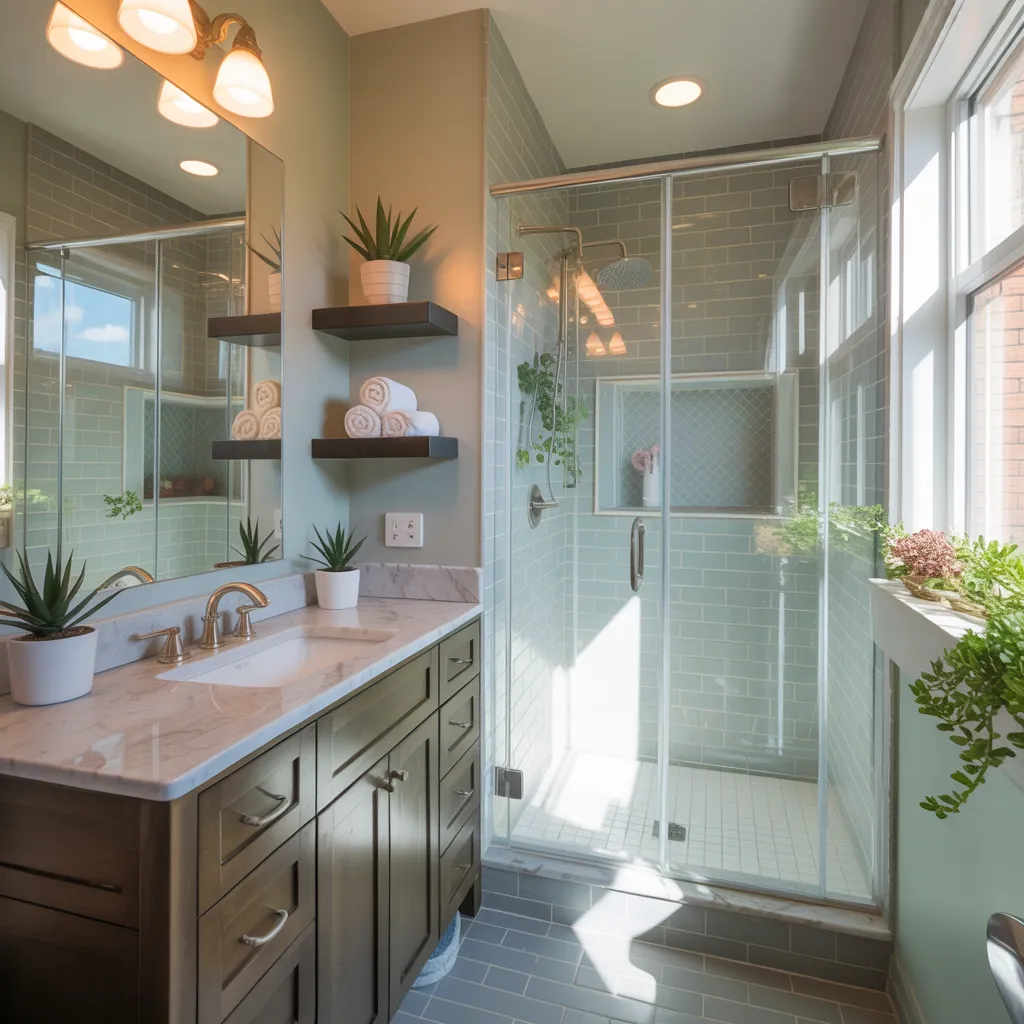
Why Isn't Your Bath Area Working the Way You Want It To?
What makes a bathroom fail to meet its owner's needs? Often, the problems stem from inadequate square footage, poor configuration, or old installations. A constrained space can hinder movement, causing inconvenience during daily activities. Insufficient storage can lead to clutter, creating annoyance during use. Additionally, old-fashioned designs may not reflect the owner's style, creating a disconnect between the space and the individual.
Light is essential; poor or overly bright lighting can influence the practicality and character, making the bathroom to feel uninviting. Another key factor is accessibility; when the bathroom cannot support all family members or guests, it creates inconvenience.
Ultimately, a bathroom that fails to address view resource its user's practical needs and preferences can undermine the overall pleasure, prompting the need for a well-considered overhaul. Addressing these features is critical for renovating a bathroom into a functional and enjoyable space.
Guidelines for Determining Your Bathroom Appearance and Must-Haves
Recognizing individual preferences and requirements is a crucial component in creating a practical bathroom. Homeowners should begin by evaluating their lifestyle and everyday habits. Factors such as the number of users, storage requirements, and desired features are essential in determining the design.
To investigate style preferences, homeowners can browse interior publications, websites, or digital networks for creative input. Making a inspiration board can help imagine hue combinations, surface finishes, and fittings that resonate with personal tastes.
Additionally, reviewing the current layout is indispensable. Marking any structural details or limitations will determine the design process. Homeowners may also contemplate what currently works or proves ineffective in their bathroom, helping to pinpoint exact requirements.
Ultimately, comprehensive knowledge of unique taste and practical demands offers a solid foundation for an effective bathroom remodeling project, ensuring the final result aligns with both aesthetic desires and functional demands.
Establishing Your Budget for Your Bathroom Makeover Endeavor
Developing a budget for a bath remodeling project requires a clear comprehension of the project's scope. It's crucial to account for unanticipated expenses that may occur during the remodeling undertaking. By planning carefully, homeowners can minimize unexpected expenditures and achieve their wanted results.
Establish Project Boundaries
Creating a concise budget is fundamental to a successful bathroom remodeling project. The project scope directly influences this budget, as it clarifies the extent of renovations. Homeowners must assess their needs and preferences, determining which features to focus on, such as fixtures, flooring, or cabinetry. A clearly laid out scope offers more realistic cost estimates, helping to minimize the risk of overspending. Additionally, it aids informed decisions regarding materials and labor. By understanding the desired outcomes, property owners can distribute funds effectively, ensuring that vital aspects are not compromised. Ultimately, a thoughtfully crafted project scope provides a roadmap for the remodeling process, matching design aspirations with financial realities and aiding a better execution.
Integrate Surprising Expenses
Homeowners should anticipate unexpected costs during a bathroom remodeling project, even when the project scope is clearly defined. These costs may originate from several sources, such as hidden plumbing problems, outdated electrical wiring, or requirements for extra permits. The potential need for structural repairs is often neglected by homeowners, particularly in older residences where damages may remain unseen until the renovation starts. Moreover, alterations to design plans or opting for premium materials can boost the overall cost. To avoid financial surprises, setting aside an emergency fund of 10-20% of the entire budget is recommended. Doing so offers more flexibility and peace of mind, guaranteeing a smoother remodeling process despite any unforeseen issues.
Essential Features for a Functional Bathroom Layout
When building a functional bathroom, it is vital to emphasize essential elements that improve both usability and comfort. Good storage is necessary; incorporating cabinetry and shelves can help organize the space and remain organized. In addition, good lighting boosts functionality significantly, with various levels such as task, ambient, and accent lights addressing different requirements.
Accessibility serves as a further paramount element; features like grab bars, non-slip flooring, and a walk-in shower can make the space more suitable for all users. An efficient layout guarantees that essential parts, such as the toilet, sink, and shower or bathtub, are easily attainable and rationally placed.
In the end, proper airflow is needed to prevent moisture buildup and copyright air quality. Incorporating these components creates a harmonious and functional bathroom design that meets the demands of everyday life while providing a soothing retreat.
Deciding on the Most Appropriate Materials and Equipment
Selecting the right materials and fixtures stands as important in achieving a attractive and well-designed bathroom. The preference of materials influences both the durability and maintenance of the space. For countertops, options like granite or quartz offer toughness and a refined look, while ceramic tiles provide flexibility in design and ease of upkeep.
Regarding fixtures, superior quality matters most. Faucets and showerheads need to be refined as well as water-efficient, fostering sustainability. Opting for finishes that resist tarnishing can improve durability and retain appearance over time.
In addition, lighting fixtures should be strategically selected to guarantee proper illumination and ambiance, maintaining functionality with design.
Ultimately, a judicious selection of elements and accessories can redesign a bathroom into a sanctuary, demonstrating the homeowner's personal style while providing convenience and coziness.
Finding the Right Renovation Experts
When picking renovation professionals, it is essential to evaluate their credentials and experience to ensure superior craftsmanship. A detailed examination of their portfolio and specialties can offer understanding into their design style and capabilities. This meticulous evaluation allows homeowners choose wisely for their bathroom remodeling endeavors.
Qualifications And Background
Selecting the right renovation consultants requires thorough evaluation of their qualifications and track record. Homeowners must discover professionals who maintain necessary credentials and qualifications, as these prove a devotion to industry standards and regulations. Specialized experience in bathroom remodeling is crucial, as it indicates a detailed knowledge of the specific difficulties and needs inherent to such endeavors. Moreover, seeking experts with a proven track record can give confidence in their competence in producing high-quality work. Collaborating with professionals who take part in ongoing education or industry associations can also be beneficial, as it demonstrates their focus on remaining current with trends and techniques. In essence, comprehensive research into credentials and experience will facilitate intelligent choices and successful renovation results.
Portfolio And Specialties
A strategically compiled portfolio functions as a view of a remodeling expert's expertise and approach. It presents past projects, underlining the breadth of skills and attention to detail. When reviewing potential experts, clients should consider not only the variety of designs but also the quality of craftsmanship. Specialties may include modern, traditional, or eco-friendly designs, and understanding these can help homeowners align their vision with the right professional. An effective portfolio will also demonstrate problem-solving abilities, particularly in challenging spaces. By examining testimonials and case studies, clients can gain insight into the expert's approach to customer service and project management. Ultimately, a strong portfolio guarantees homeowners feel confident in their choice of remodeling partner.
Caring for Your Recently Remodeled Bathroom
Although a freshly remodeled bathroom can bring happiness and utility to a home, it also demands meticulous maintenance to safeguard its beauty and efficiency. Regular tidying is essential; using non-abrasive cleaners helps maintain surfaces without creating damage. Routine care, such as cleaning counters and fixtures, avoids the buildup of grime and mildew.
Inspecting plumbing fixtures for water seepage is imperative, as even minor drips can lead to significant water damage over time. Additionally, monitoring grout lines and caulking ensures that moisture does not penetrate walls, which could result in mold development.
Ventilation functions as a vital component in maintaining a fresh atmosphere; using ventilation equipment during and after showers helps lower humidity. Finally, regular evaluations of the bathroom's design elements allow homeowners to tackle deterioration promptly, ensuring that the investment in renovation continues to pay off for years to come.
Questions Users Often Ask About
What Represents the Standard Timeframe for a Bathroom Remodel?
A typical bathroom renovation generally requires about three to six weeks, depending on the project’s difficulty and size. Factors including material availability and contractor availability can affect the overall timeline for completion.
Which Licenses Do You Require for Bathroom Remodeling?
Normally, bathroom remodeling requires certifications for plumbing work, electrical work, and structural updates. Local standards may vary, so it's imperative for homeowners to speak with their municipality to guarantee compliance with all obligatory building codes.
Can I dwell in My Home During Remodeling?
Yes, homeowners can frequently reside in their properties during remodeling, though it may rely on the extent of the work. Disruptions like dust and noise might render some spaces briefly unavailable, necessitating certain modifications.
How Can I Minimize Dust and Clutter During Renovation?
To cut down dust and mess during remodeling, one should seal off work areas with plastic sheets, use dust barriers, employ vacuum systems, and make sure proper ventilation. Routine cleaning can also help maintain a organized area.
What Should I Do if I Face Unforeseen Issues?
When coming across unforeseen problems, one should assess the problem, consult experts if required, and adjust the timeline as needed. Effective dialogue with builders can help minimize delays and guarantee a more seamless remodeling process.